
Offshore Lifting Knowledge Hub
The physics and practice of heave compensation, shock absorption and subsea lifting: from wave basics and vessel response to the DNV rules and the engineering trade-offs behind specific offshore operations. Written to turn a lift problem into a specification.
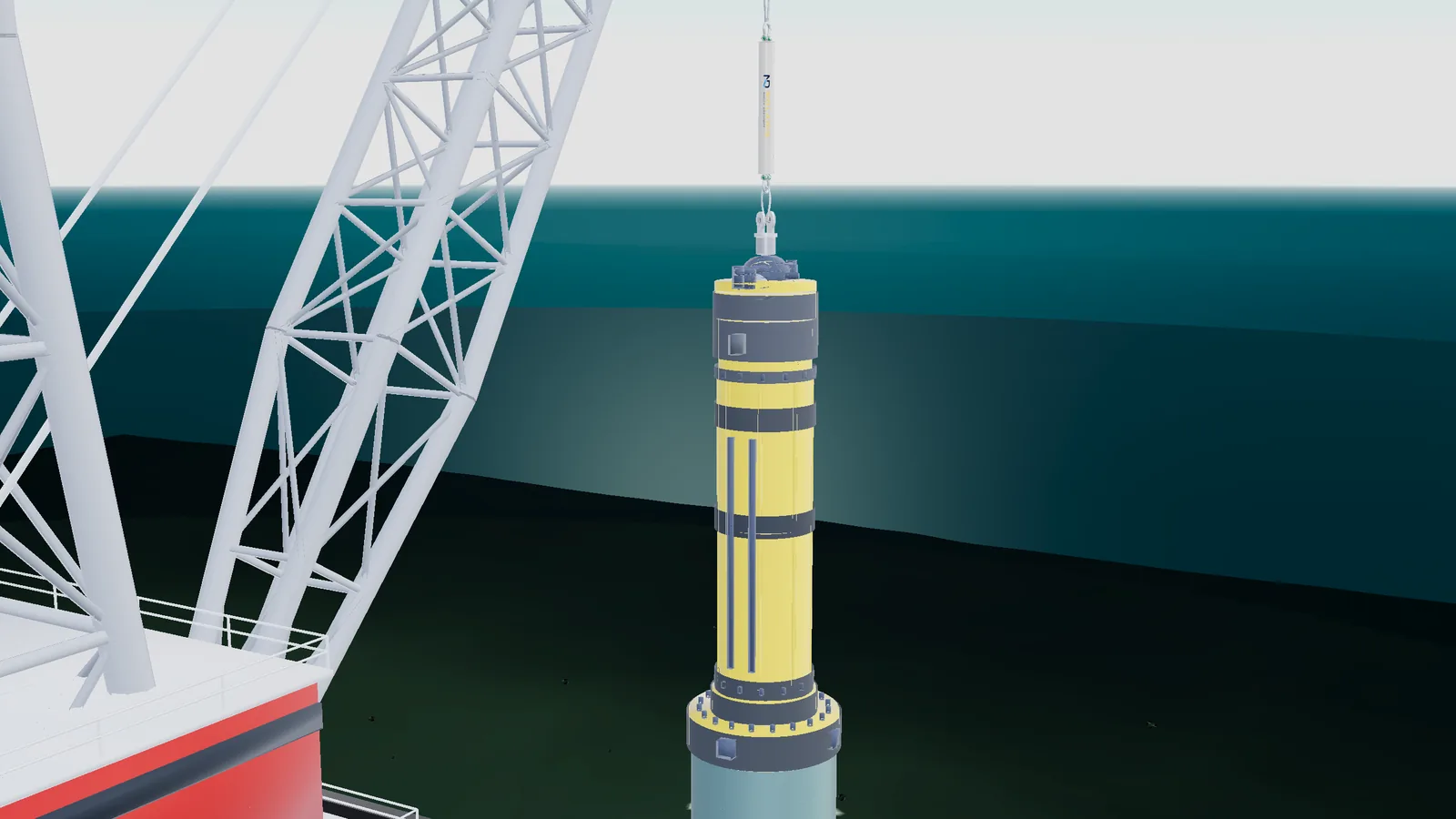
 START HEREWhich compensator fits your lift?
RIGEL, CYGNUS, ANTARES or VEGA: the practical selector walks stroke, load and damping to the right architecture.
Open the selector →
START HEREWhich compensator fits your lift?
RIGEL, CYGNUS, ANTARES or VEGA: the practical selector walks stroke, load and damping to the right architecture.
Open the selector →
From lift problem to specification
Start with the operating case: water depth, vessel motion, hook load, allowable landing speed, splash-zone exposure, and whether the load is being installed, recovered or held in tension. Those inputs decide whether passive, adaptive passive or active compensation, or a dedicated shock absorber, is the right direction.
Before comparing equipment, write the load case down the way a crane supplier or certification body will read it: static hook load, expected dynamic amplification, required stroke, target sea state, rigging length and crane type. The articles below give you the vocabulary and the governing equations; CONSTELLATION turns the case into an operating window.
Compensation & shock systems
How each architecture controls heave and absorbs shock, and where each one fits.
 SYSTEM · 18 MINPassive heave compensationThe gas spring, the damping and the motion ratio: how a passive unit actually works.
 SYSTEM · 6 MINAdaptive passive heave compensationWhat bleed-and-charge adjustment adds, phase by phase, and what it costs.
 SYSTEM · 10 MINActive heave compensationWhat active control can remove, what it cannot, and the energy budget behind it.
 SYSTEM · 7 MINActive vs passiveThe trade-offs that decide between passive, adaptive and active on a real lift.
 SYSTEM · 6 MINShock absorptionThe energy balance that sizes an absorber, stroke, efficiency and the load cap.TOOLWhich compensator fits your lift? Open the selector
Offshore operations
The physics and procedure behind the lifts our equipment is built for.
 OPERATION · 14 MINSubsea liftsDrag, added mass and landing speed: the water forces on a deck-to-seabed run.
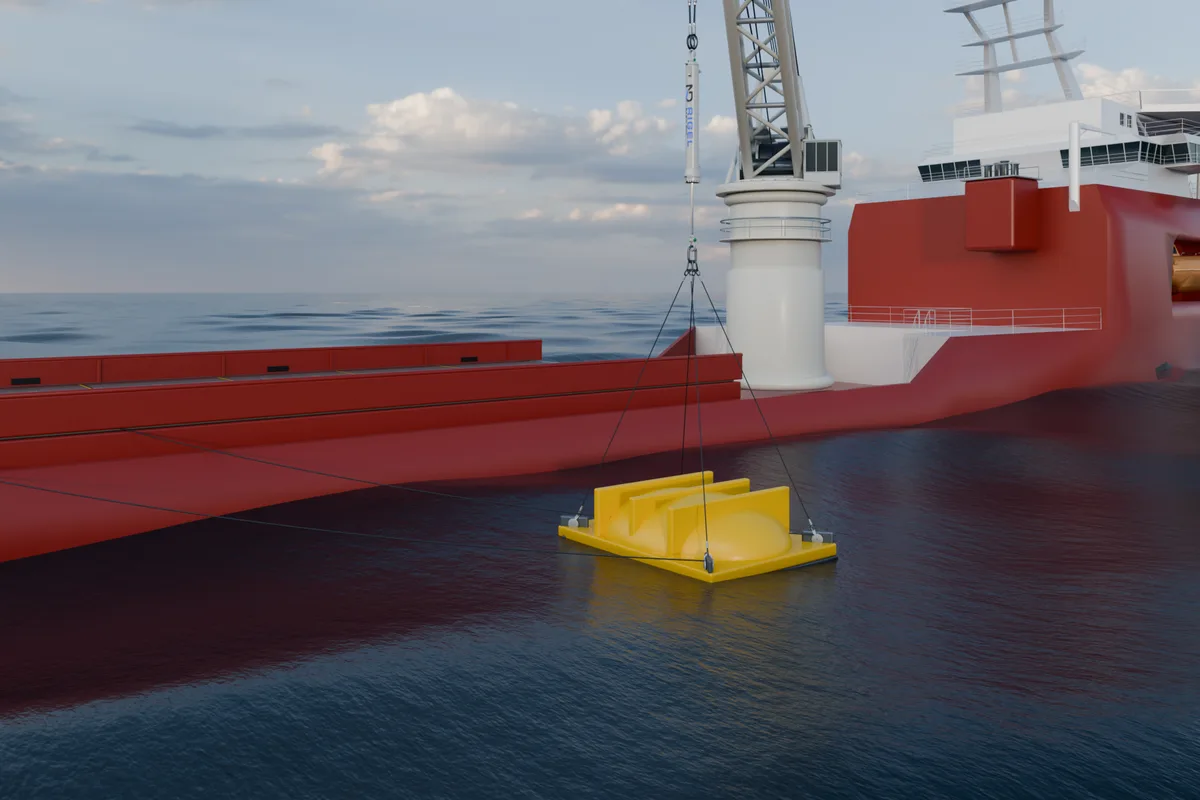 OPERATION · 7 MINSplash-zone crossingWhy a few minutes in the wave zone decide the whole weather window.
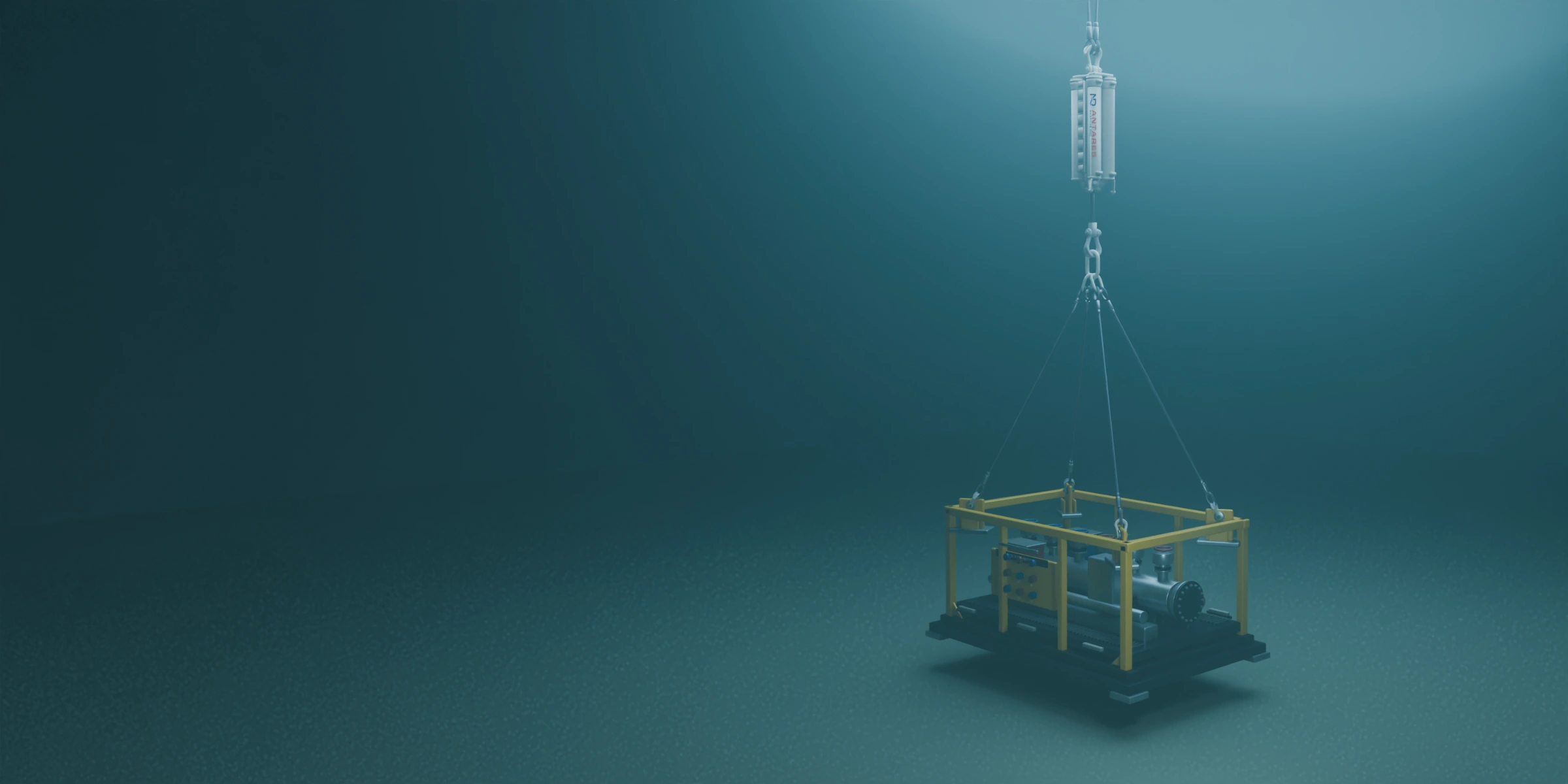 OPERATION · 6 MINSubsea retrievalBreakout, water column and exit, three load states in one recovery.
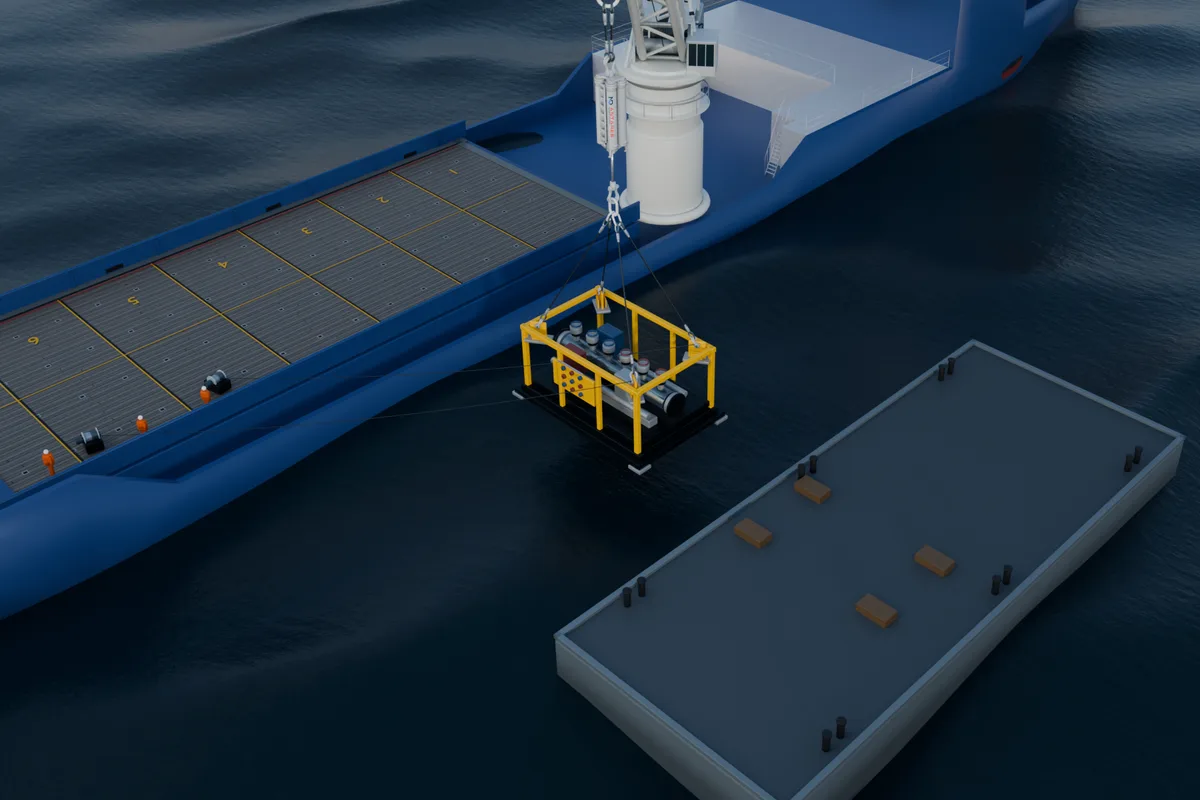 OPERATION · 4 MINTransfer liftTwo moving decks, one payload, managing the handover load path.
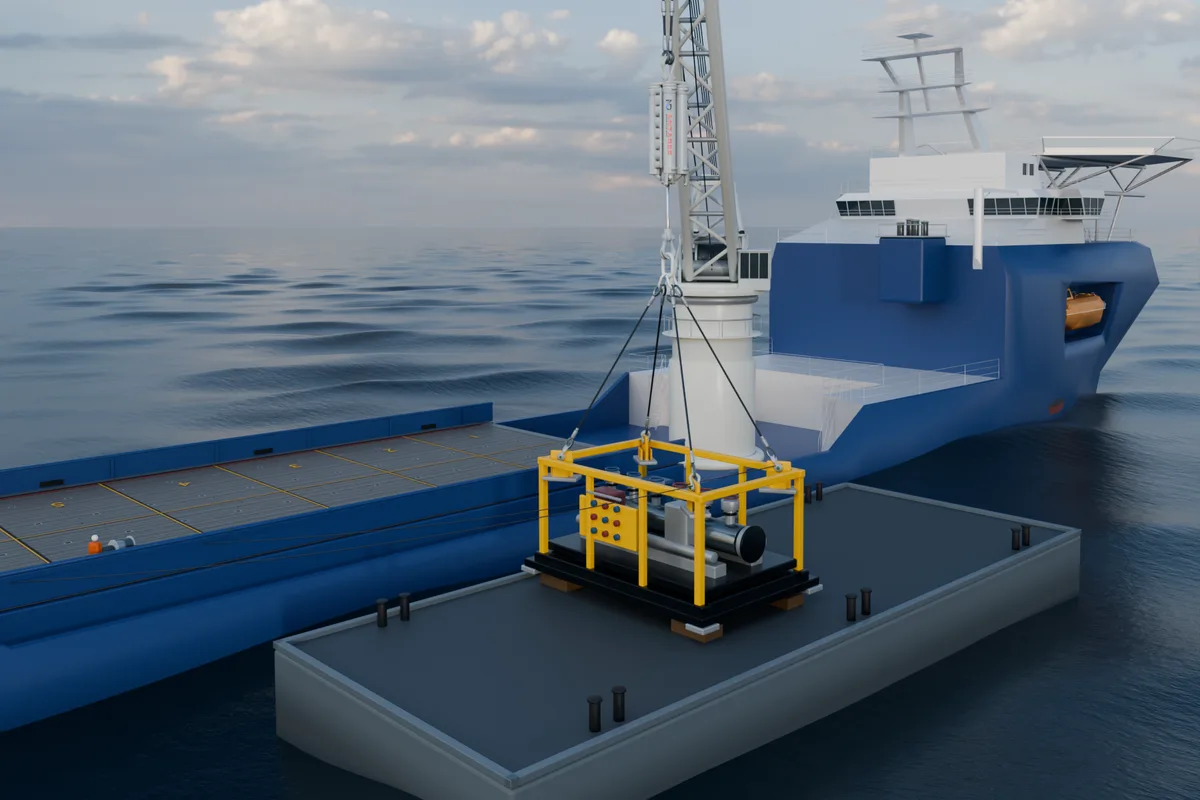 OPERATION · 7 MINQuick liftingBeating the barge’s return stroke, the modelled snatch, realisation by realisation.
 OPERATION · 7 MINPile-run protectionWhen the soil lets go: arresting a free-running pile without overloading the crane.
 OPERATION · 7 MINRiser tensioningHolding a riser inside its tension envelope while the vessel heaves.
 OPERATION · 5 MINCoiled-tubing interventionA 2⅜-inch string with a narrow tension window, worked end to end.
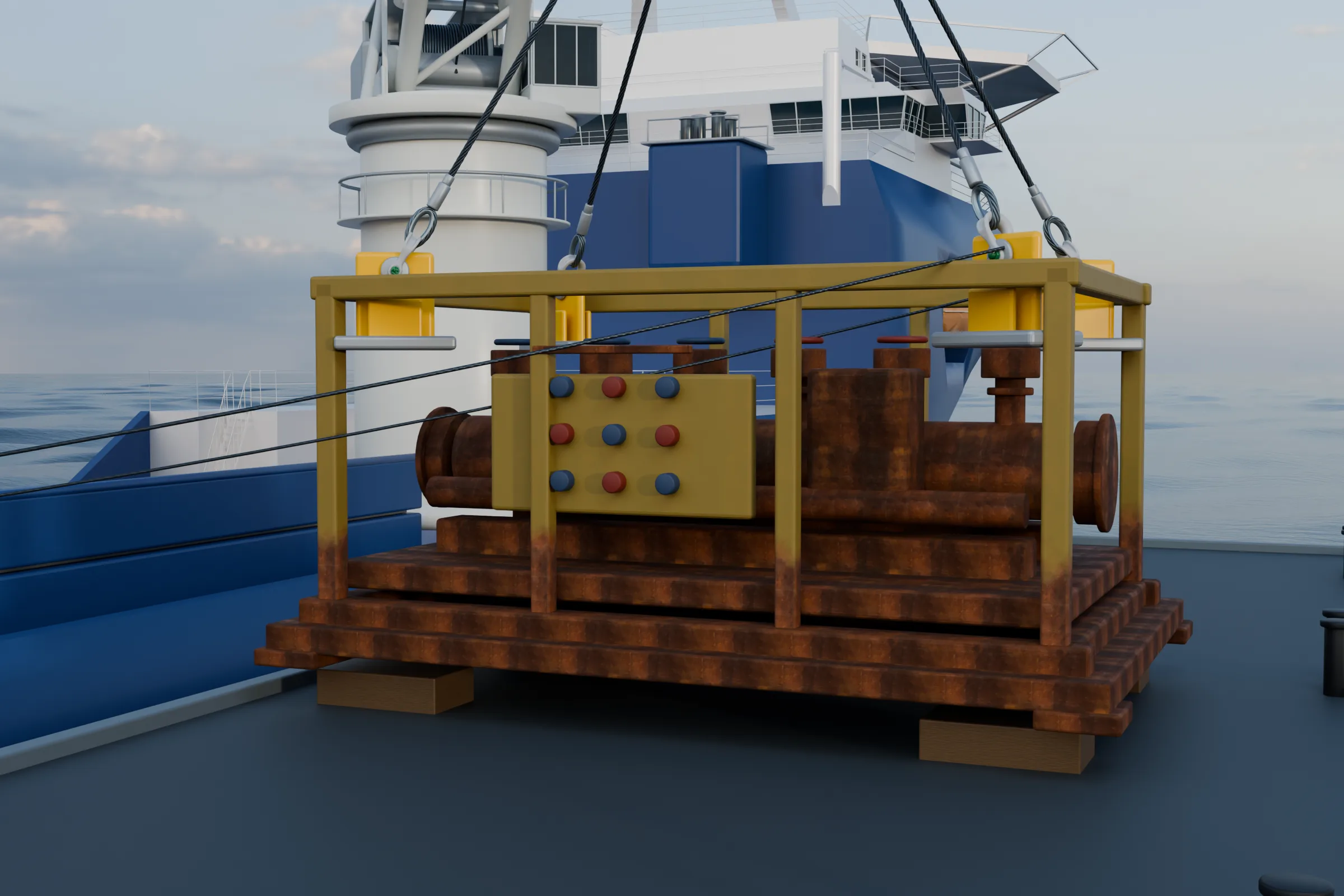 OPERATION · 6 MINDecommissioning liftsUnknown weights and forty-year-old lift points, what recovery lifts must assume.
 OPERATION · 5 MINOffshore windFoundations, transition pieces and nacelles, where compensation earns its place.CASE STUDYSee the modelled cases: splash zone and pile runCONTACTSend your lift case for a CONSTELLATION screen
Modelled results
Full cases from the CONSTELLATION model: matched pairs with the limits stated, not highlight reels.
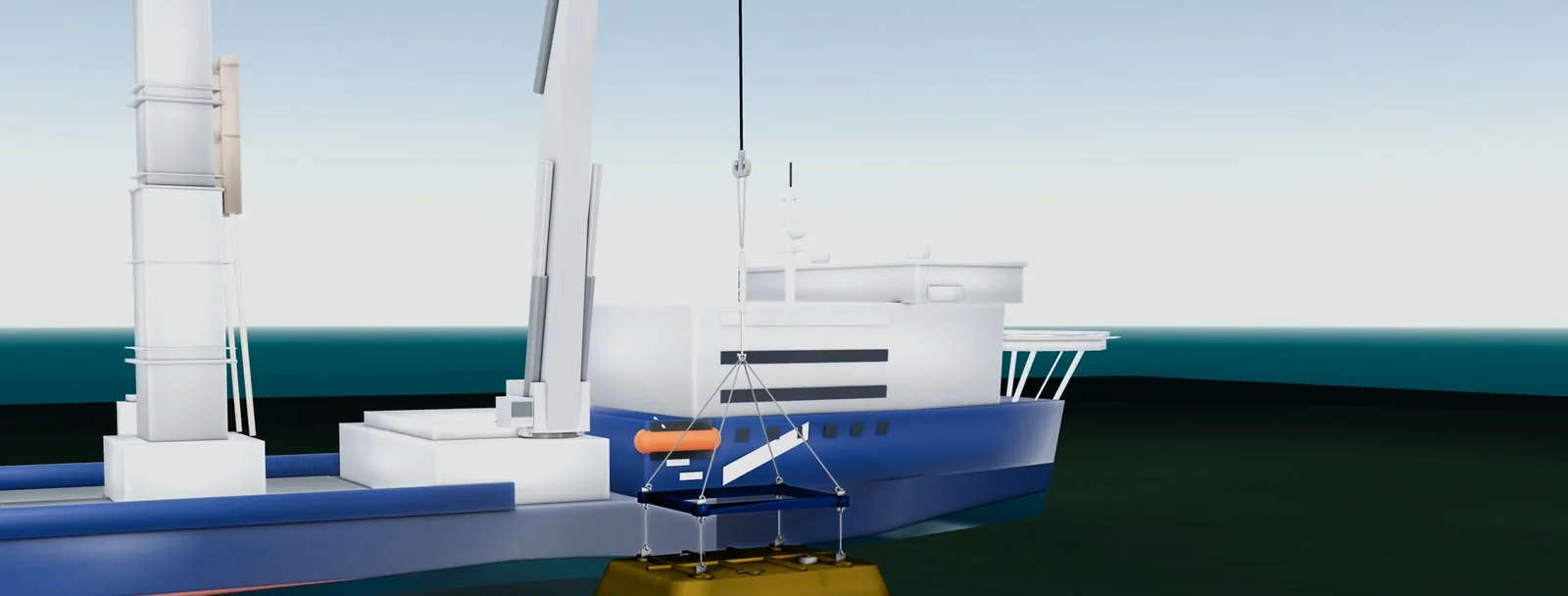 CASE STUDY · 8 MINStudy: splash-zone GRP coverPeak line load 1,846 → 655 kN on a 35 t GRP cover, with the limits stated.
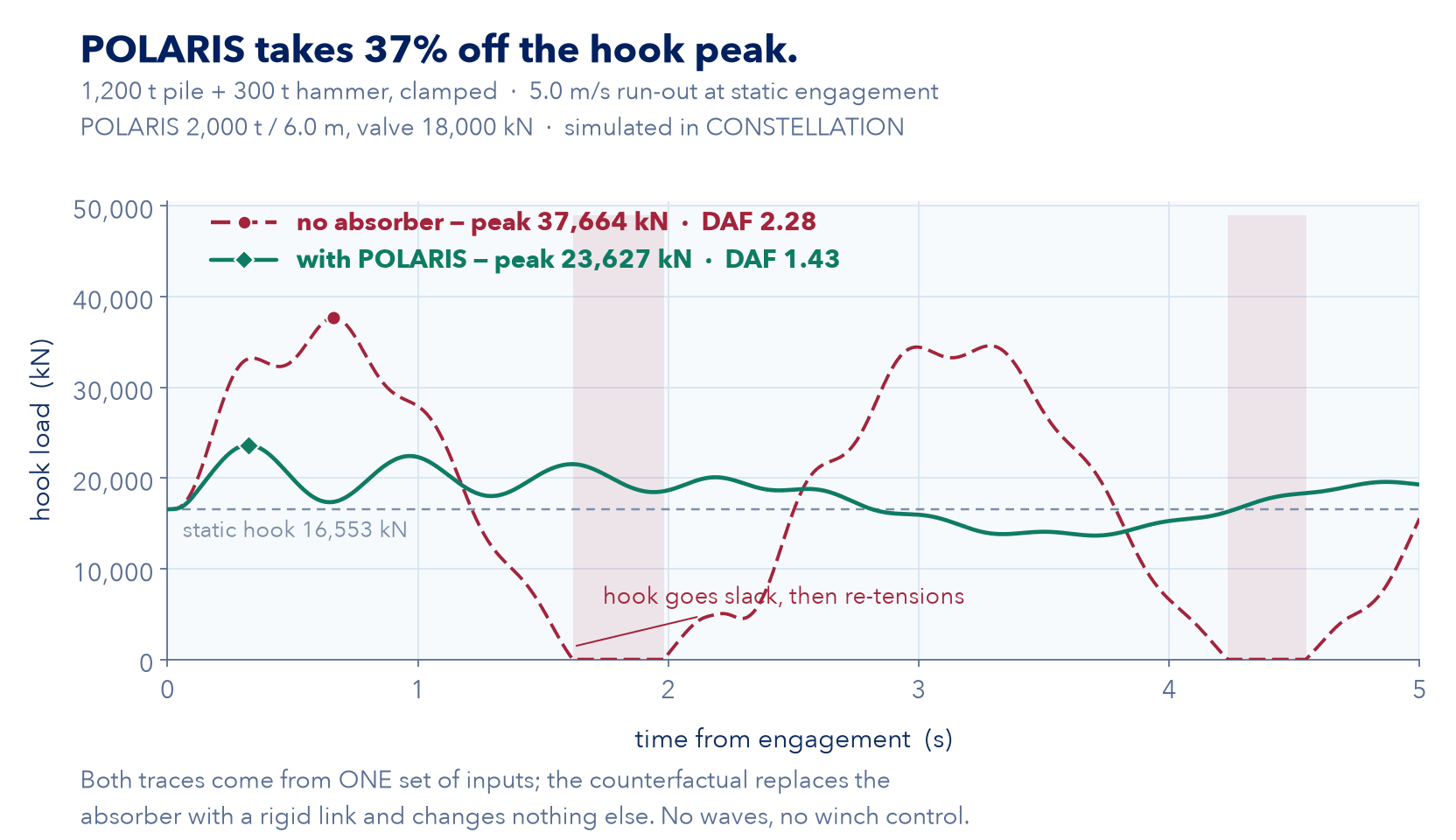 CASE STUDY · 9 MINStudy: pile-run arrestPeak hook load 37,664 → 23,627 kN when the soil lets a 1,500 t pile go.CONTACTCommission a modelled study of your lift
Screening & planning
How a lift case becomes an operating window, and what that window is worth.
 METHOD · 6 MINWeather windowsHs limits, alpha factors and reference periods, what opens a workable window.TOOLWhich analysis does your lift need? The DAF estimator
Fundamentals
Wave, vessel and load basics: the language every lift case is written in.
 FUNDAMENTALS · 6 MINWavesHs, Tp and spectra: the wave inputs every lift case is written in.
 FUNDAMENTALS · 14 MINVessel motions & RAOsFrom wave spectrum to crane-tip motion, the signal every lift actually feels.
 FUNDAMENTALS · 14 MINDynamic amplification factorWhat the factor measures, what drives it, and which analysis your lift needs.
 FUNDAMENTALS · 6 MINMotion reference unitsWhat a motion reference unit measures, and what an AHC needs from it.
 FUNDAMENTALS · 6 MINResonance avoidanceFinding the system’s natural period and keeping the sea away from it.
 FUNDAMENTALS · 12 MINCrane load chartsReading a chart’s dynamic basis, and when the simple derating ratio misleads.
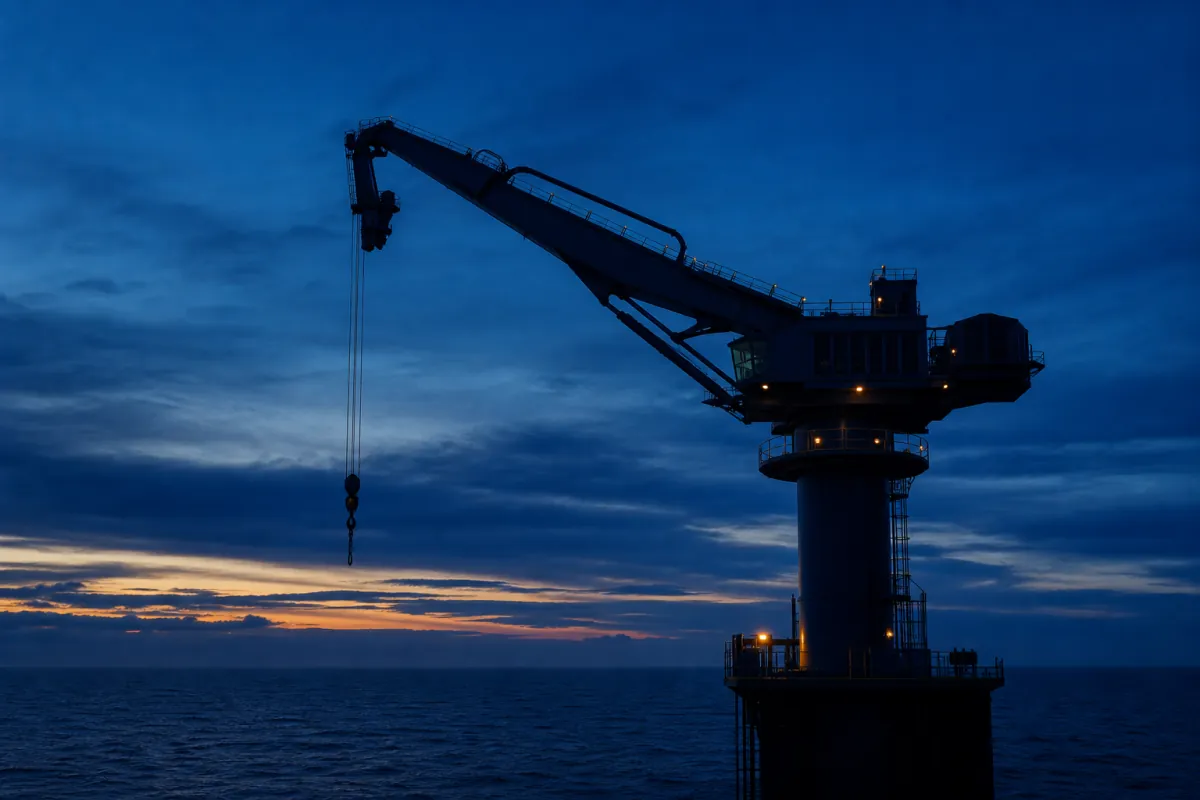 FUNDAMENTALS · 5 MINOffshore crane typesBoom, mounting and luffing, how crane architecture meets compensation.
DNV standards
The rules that frame offshore lifting: what each standard covers and when it applies.
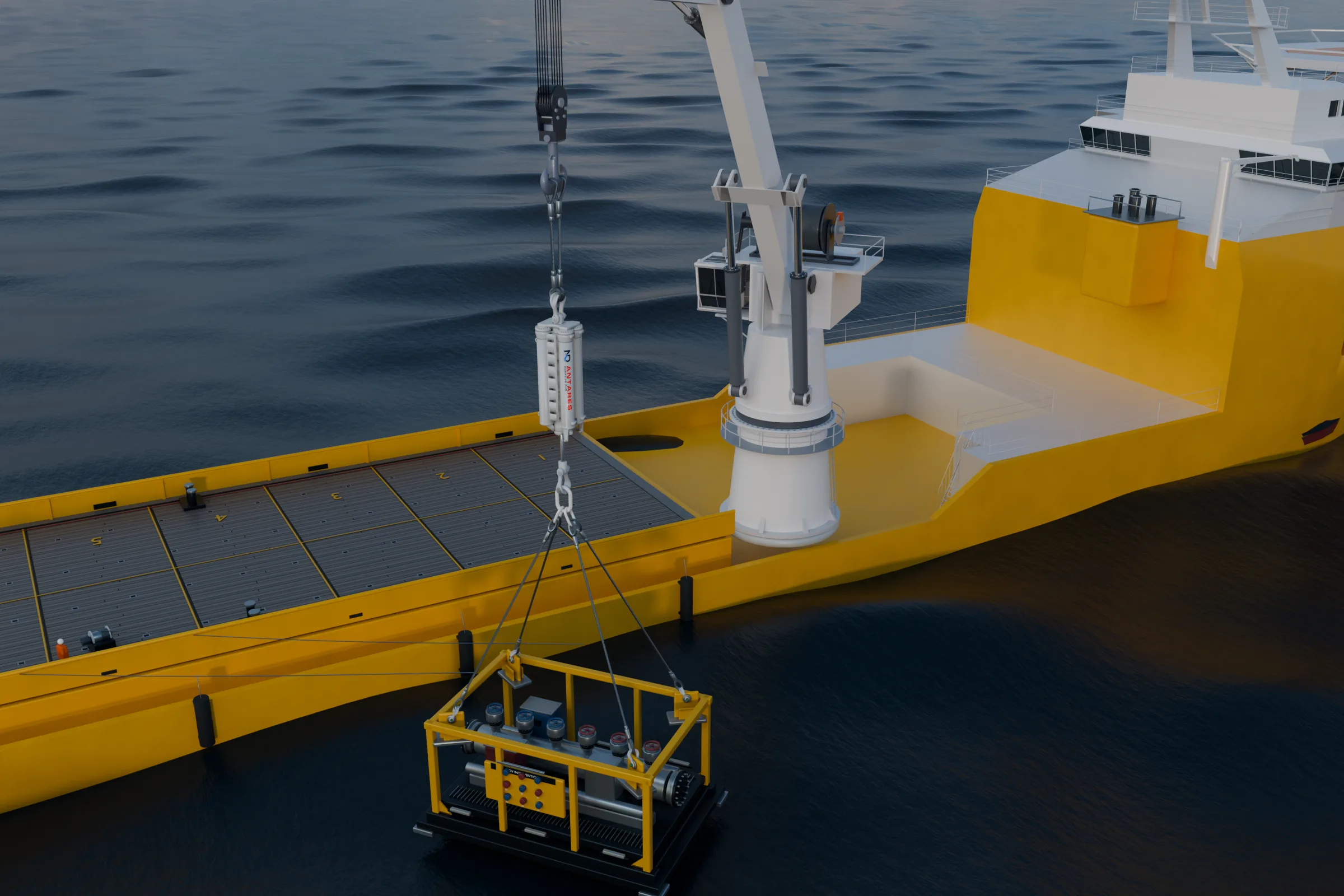 STANDARD · 9 MINDNV standards for liftingWhich DNV document governs what: one map for the lifting cluster.
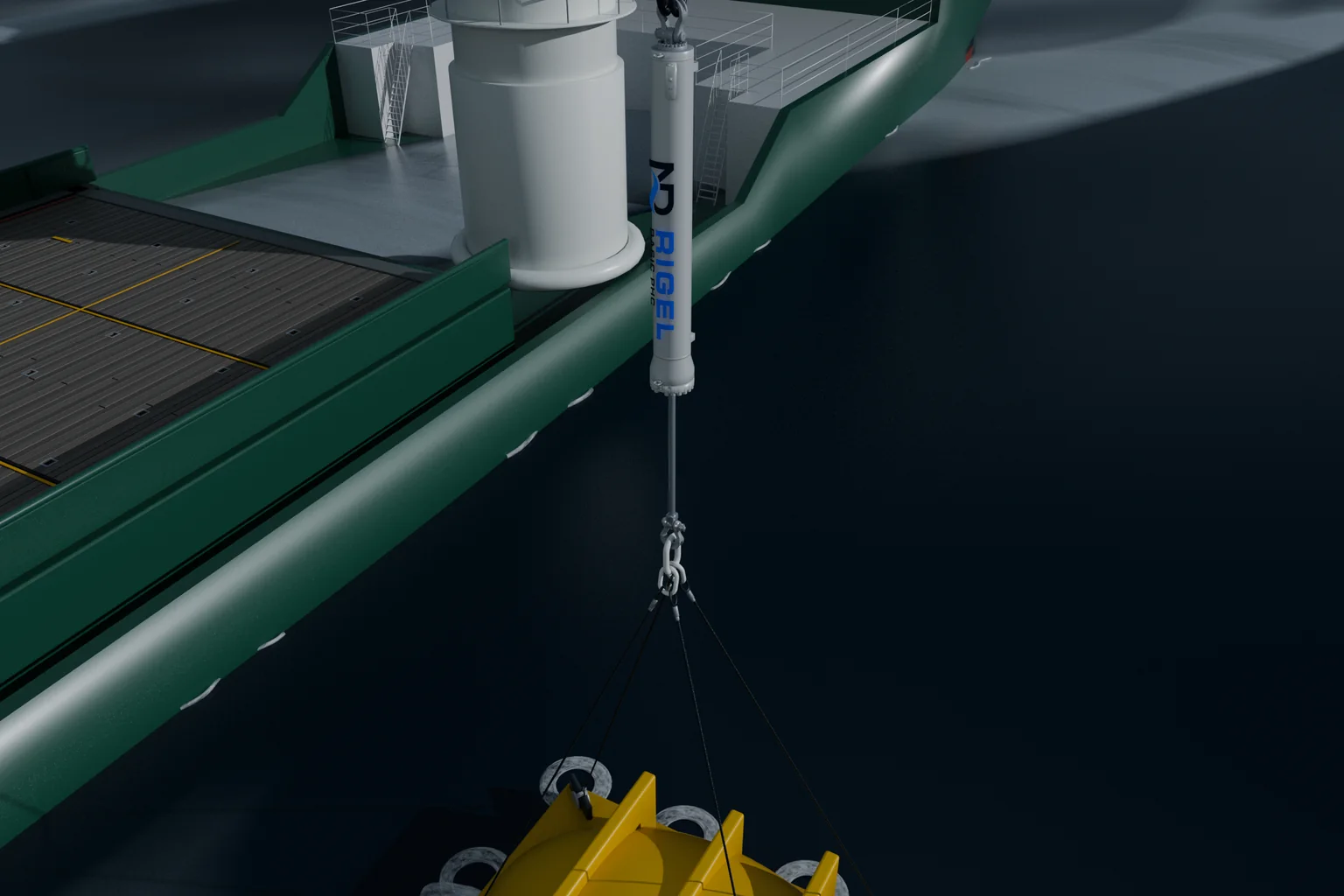 STANDARD · 12 MINDNV-ST-0378, lifting appliancesWhat the lifting-appliance standard requires, from materials to proof load.
 STANDARD · 8 MINDNV-RP-N103, marine operationsThe hydrodynamic methods behind every offshore lifting calculation.
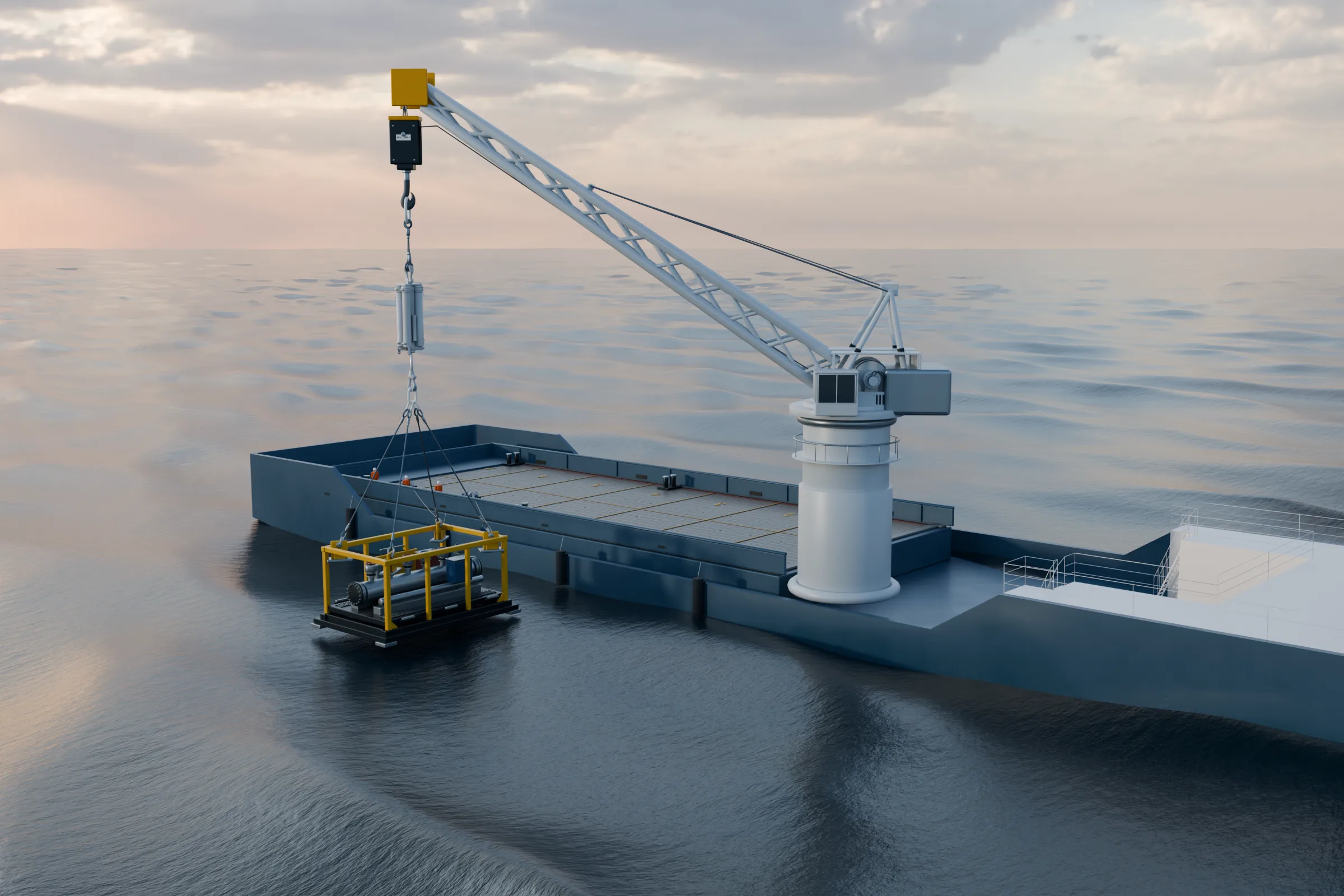 STANDARD · 10 MINDNV-ST-N001, marine operationsMarine-operations rules: DAF tables, alpha factors and weather criteria.DOWNLOADOffshore lift load cases, the ND benchmark figuresCONTACTAsk a DNV rules question
No articles match: try a different term, or .
Have a lift case?
Send the structure, the vessel and the site: we’ll screen the case in CONSTELLATION and return the operating window, the governing limit and a practical product recommendation.