
Offshore Lifting Knowledge Hub
The physics and practice of heave compensation, shock absorption and subsea lifting — from wave basics and vessel response to the DNV rules and the engineering trade-offs behind specific offshore operations. Written to turn a lift problem into a specification.
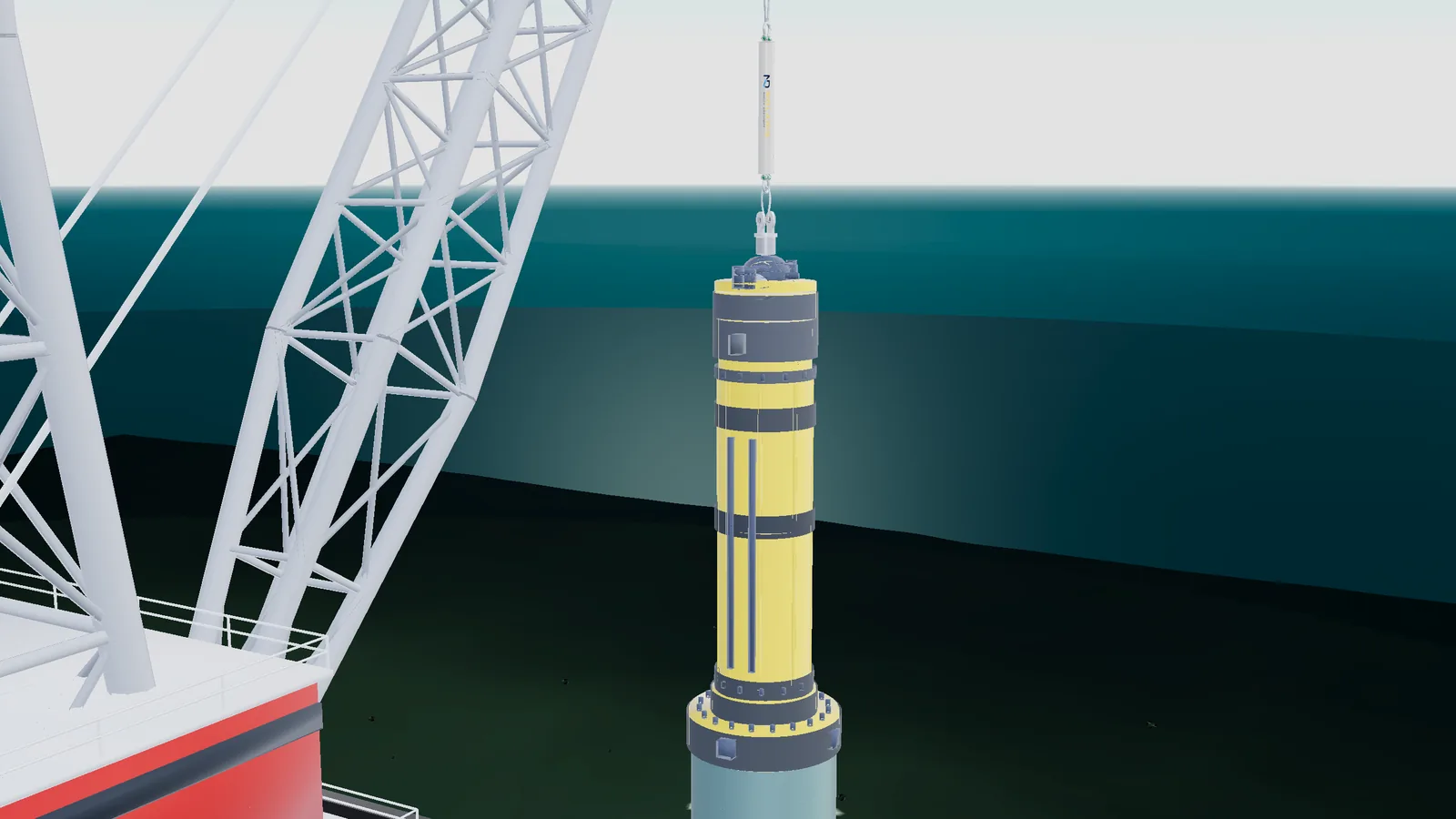
 START HEREWhich compensator fits your lift?
RIGEL, CYGNUS, ANTARES or VEGA — the practical selector walks stroke, load and damping to the right architecture.
Open the selector →
START HEREWhich compensator fits your lift?
RIGEL, CYGNUS, ANTARES or VEGA — the practical selector walks stroke, load and damping to the right architecture.
Open the selector →
From lift problem to specification
Start with the operating case: water depth, vessel motion, hook load, allowable landing speed, splash-zone exposure, and whether the load is being installed, recovered or held in tension. Those inputs decide whether passive, adaptive passive or active compensation, or a dedicated shock absorber, is the right direction.
Before comparing equipment, write the load case down the way a crane supplier or certification body will read it: static hook load, expected dynamic amplification, required stroke, target sea state, rigging length and crane type. The articles below give you the vocabulary and the governing equations; CONSTELLATION turns the case into an operating window.
Compensation & shock systems
How each architecture controls heave and absorbs shock — and where each one fits.
 SYSTEM · 18 MINPassive heave compensationThe gas spring, the damping and the motion ratio — how a passive unit actually works.
 SYSTEM · 6 MINAdaptive passive heave compensationWhat bleed-and-charge adjustment adds, phase by phase, and what it costs.
 SYSTEM · 10 MINActive heave compensationWhat active control can remove, what it cannot, and the energy budget behind it.
 SYSTEM · 7 MINActive vs passiveThe trade-offs that decide between passive, adaptive and active on a real lift.
 SYSTEM · 6 MINShock absorptionThe energy balance that sizes an absorber — stroke, efficiency and the load cap.TOOLWhich compensator fits your lift? Open the selector
Offshore operations
The physics and procedure behind the lifts our equipment is built for.
 OPERATION · 14 MINSubsea liftsDrag, added mass and landing speed — the water forces on a deck-to-seabed run.
 OPERATION · 7 MINSplash-zone crossingWhy a few minutes in the wave zone decide the whole weather window.
 OPERATION · 6 MINSubsea retrievalBreakout, water column and exit — three load states in one recovery.
 OPERATION · 4 MINTransfer liftTwo moving decks, one payload — managing the handover load path.
 OPERATION · 7 MINQuick liftingBeating the barge’s return stroke — the modelled snatch, realisation by realisation.
 OPERATION · 7 MINPile-run protectionWhen the soil lets go: arresting a free-running pile without overloading the crane.
 OPERATION · 7 MINRiser tensioningHolding a riser inside its tension envelope while the vessel heaves.
 OPERATION · 5 MINCoiled-tubing interventionA 2⅜-inch string with a narrow tension window, worked end to end.
 OPERATION · 6 MINDecommissioning liftsUnknown weights and forty-year-old lift points — what recovery lifts must assume.
 OPERATION · 5 MINOffshore windFoundations, transition pieces and nacelles — where compensation earns its place.CASE STUDYSee the modelled cases: splash zone and pile runCONTACTSend your lift case for a CONSTELLATION screen
Modelled results
Full cases from the CONSTELLATION model — matched pairs with the limits stated, not highlight reels.
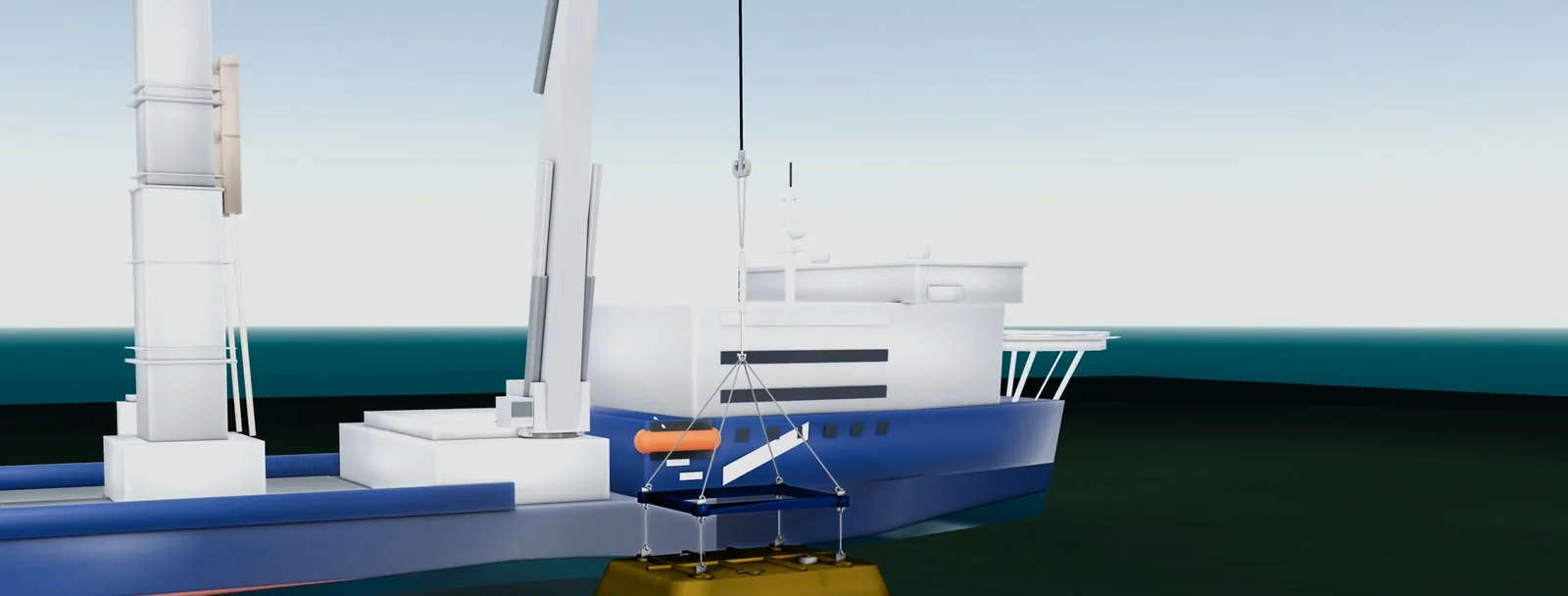 CASE STUDY · 8 MINStudy: splash-zone GRP coverPeak line load 1,846 → 655 kN on a 35 t GRP cover — with the limits stated.
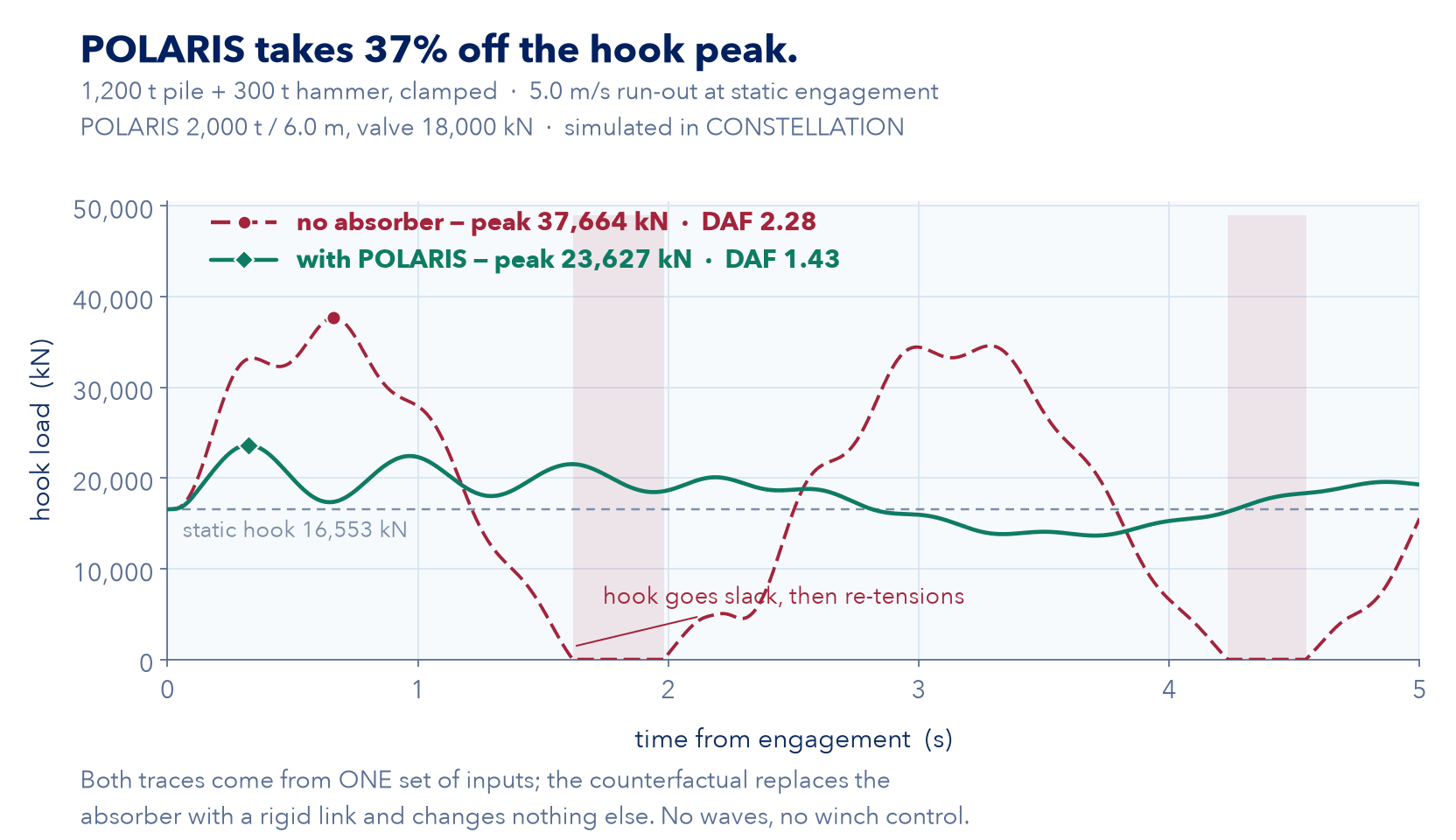 CASE STUDY · 9 MINStudy: pile-run arrestPeak hook load 37,664 → 23,627 kN when the soil lets a 1,500 t pile go.CONTACTCommission a modelled study of your lift
Screening & planning
How a lift case becomes an operating window — and what that window is worth.
 METHOD · 6 MINWeather windowsHs limits, alpha factors and reference periods — what opens a workable window.TOOLWhich analysis does your lift need? The DAF phase router
Fundamentals
Wave, vessel and load basics — the language every lift case is written in.
 FUNDAMENTALS · 6 MINWavesHs, Tp and spectra — the wave inputs every lift case is written in.
 FUNDAMENTALS · 14 MINVessel motions & RAOsFrom wave spectrum to crane-tip motion — the signal every lift actually feels.
 FUNDAMENTALS · 14 MINDynamic amplification factorWhat the factor measures, what drives it, and which analysis your lift needs.
 FUNDAMENTALS · 6 MINMotion reference unitsWhat a motion reference unit measures — and what an AHC needs from it.
 FUNDAMENTALS · 6 MINResonance avoidanceFinding the system’s natural period and keeping the sea away from it.
 FUNDAMENTALS · 12 MINCrane load chartsReading a chart’s dynamic basis — and when the simple derating ratio misleads.
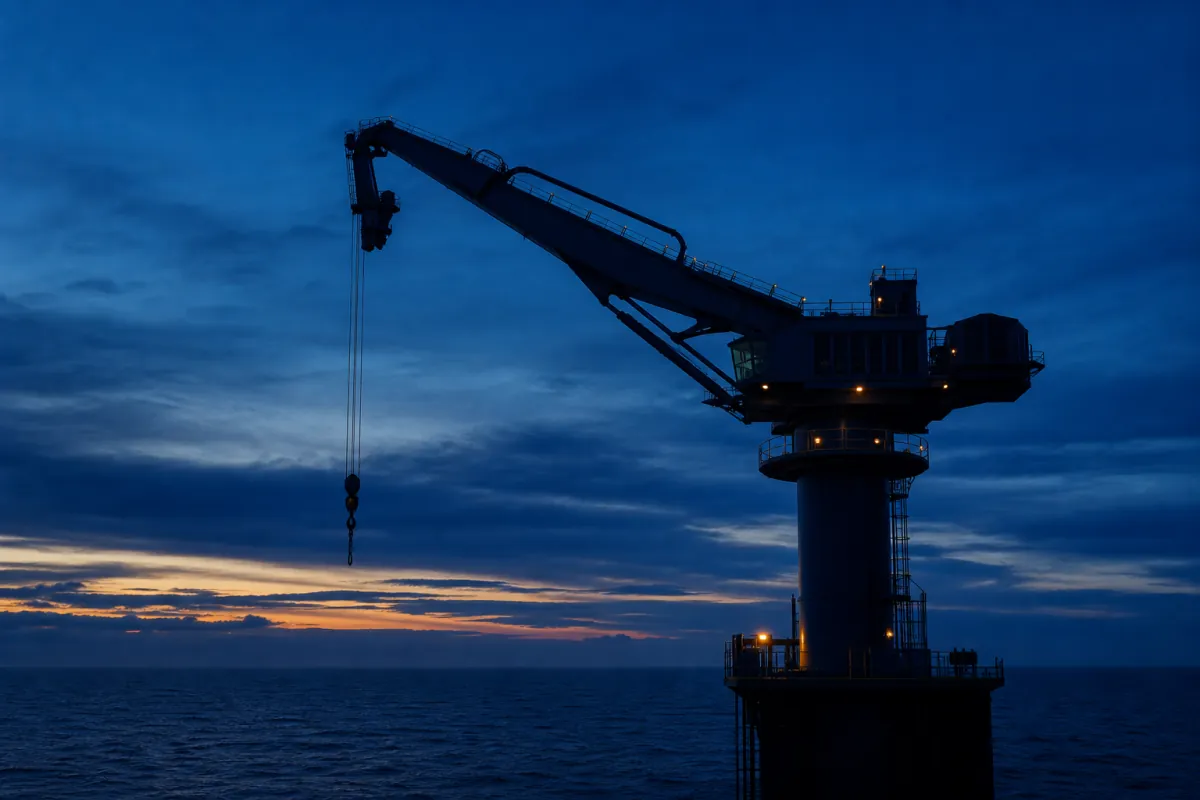 FUNDAMENTALS · 5 MINOffshore crane typesBoom, mounting and luffing — how crane architecture meets compensation.
DNV standards
The rules that frame offshore lifting — what each standard covers and when it applies.
 STANDARD · 9 MINDNV standards for liftingWhich DNV document governs what — one map for the lifting cluster.
 STANDARD · 12 MINDNV-ST-0378 — lifting appliancesWhat the lifting-appliance standard requires, from materials to proof load.
 STANDARD · 8 MINDNV-RP-N103 — marine operationsThe hydrodynamic methods behind every offshore lifting calculation.
 STANDARD · 10 MINDNV-ST-N001 — marine operationsMarine-operations rules: DAF tables, alpha factors and weather criteria.DOWNLOADOffshore lift load cases — the ND benchmark figuresCONTACTAsk a certification question
No articles match — try a different term, or .
Have a lift case?
Send the structure, the vessel and the site — we’ll screen the case in CONSTELLATION and return the operating window, the governing limit and a practical product recommendation.